Steel Plate Lifting Clamp Selection Checklist
Choose vertical, horizontal or reversal clamp families by plate geometry, lift method, jaw range and verified model rating.
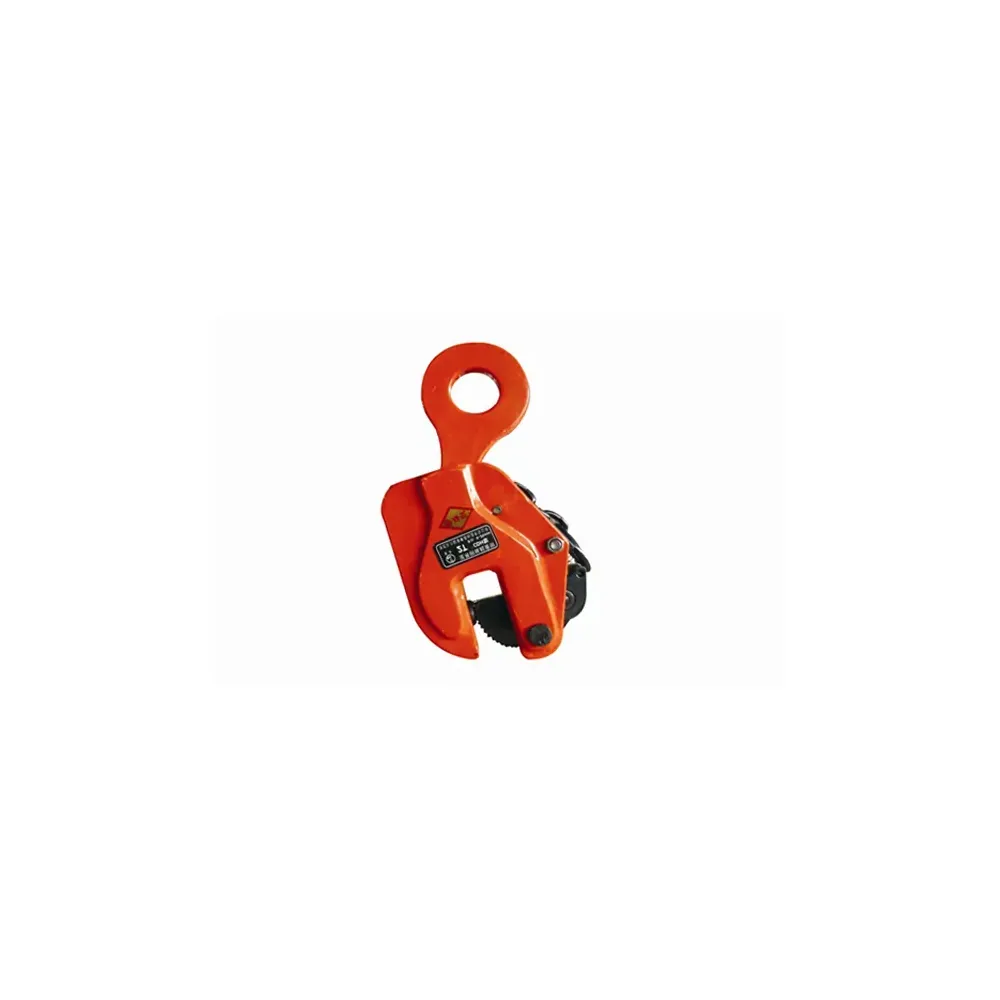
Name the movement
A vertical plate clamp, a horizontal plate clamp and a reversal clamp serve different handling arrangements. The JILI archive lists DSQH vertical, DHQL horizontal and DFQ/DFM reversal families. A buyer should identify the starting orientation and the desired final position before choosing a type.
Define the plate and pick points
Send plate weight, thickness, width, length, surface condition and planned pick-point layout. Horizontal lifts can require multiple clamps and a balance beam. The selected jaw range, model WLL and instructions must fit the actual plate and rigging geometry.
Use family ranges cautiously
Archived JILI pages list ranges up to 10 t for DSQH, 5 t for DHQL and DFQ, and 3 t for DFM. These are family ranges, not a rating for every unit. Request the current model label and test documentation for the exact clamp.
Send a lift-specific RFQ
Include the plate drawing, load weight, planned orientation, lifting points, quantity and destination. Ask the supplier to identify the model, jaw opening, WLL and any required paired arrangement in the quotation.